
Strike School Session 2
CSUEU Strike School Session 2 Report
July 13–14, 2026
CSU Chancellor’s Office, Long Beach
CSUEU held its second Strike School session on July 13 and 14 at the CSU Chancellor’s Office in Long Beach. Forty Contract Action Team leaders representing 17 campuses and the Chancellor’s Office participated in the two-day training.
The session brought together campus leaders from across the CSU to strengthen our organizing structure, prepare for escalating contract actions, and build our members’ readiness to take collective action for a fair contract.
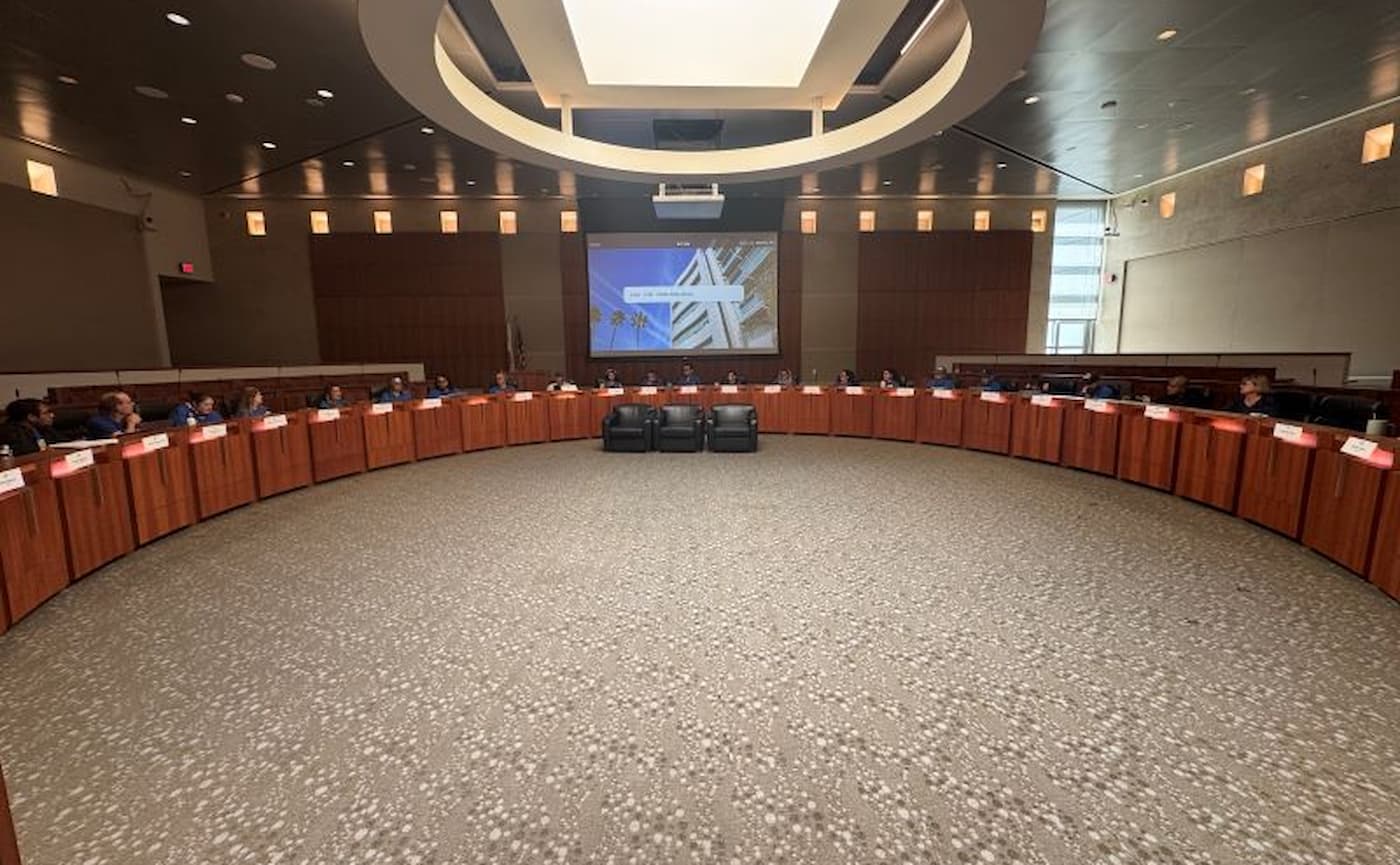
Strike School Session Two was held in the Dumke Conference Center at the Chancellor’s Office—the same room where the CSU Board of Trustees holds its meetings. There was something poetic about occupying a space where Trustees so often look at their phones and ignore workers calling for dignity and respect during public comment. This time, we sat in their seats and used the room to prepare the actions, and our strike, that may be necessary to force the CSU to deliver the contract our members deserve.
Action before Bargaining
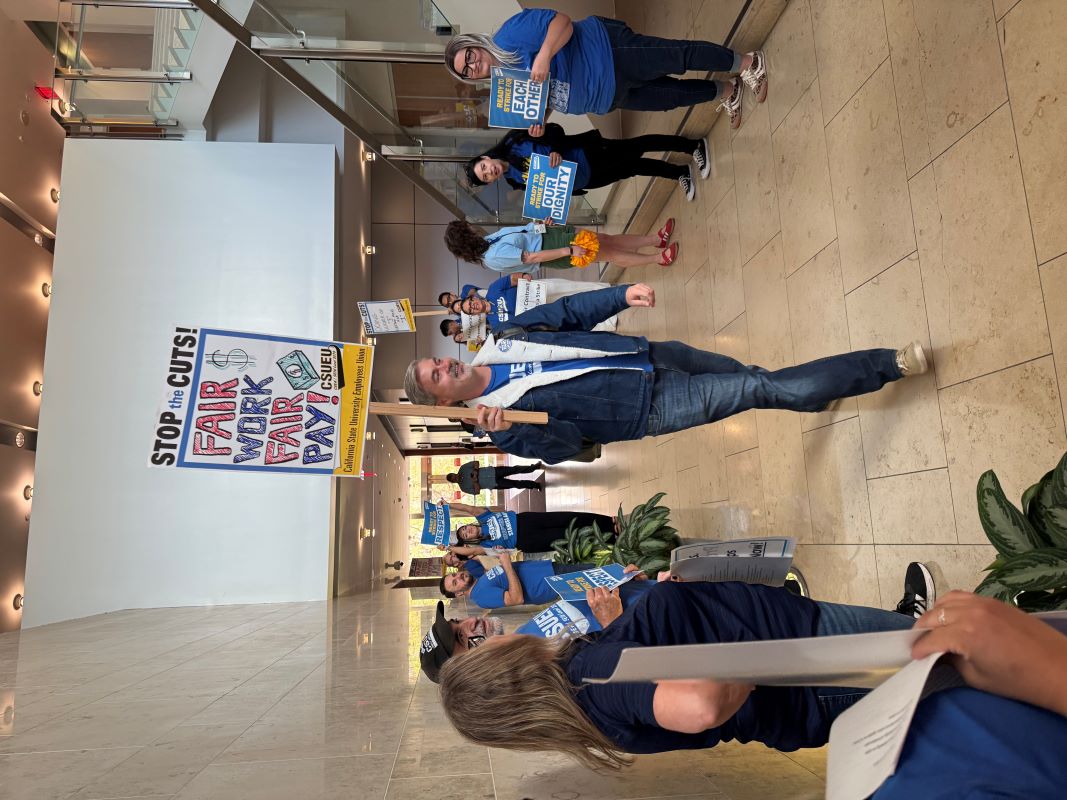
Strike School attendees organized an act of "joyful resistance" before the Monday bargaining session with management. Members danced, sang, chanted, picketed, and laughed; but as management approached, the tone changed dramatically. Members immediately went silent, and stared down their bargaining team as they marched into the session.
As obserevers, Strike School attendees packed the room to listen as CSU management handed us an insulting counter-offer to our economic proposal.
Building a Statewide Strike-Ready Organization
The first day opened with a welcome from Chancellor’s Office CAT leaders and a discussion of preparations for upcoming actions. Participants reviewed where we are in the contract campaign and the work required to build the organization necessary to win.
A major focus of the session was identifying and recruiting new workplace leaders. Participants discussed how to recognize members who are respected by their coworkers, bring them into the Contract Action Team, and give them meaningful roles in campus organizing.
Growing our CAT structure is essential to making sure information reaches our members, workplace concerns are heard, and each campus has enough trained leaders to organize effective actions.
Preparing Campus Actions and Practice Pickets
On the second day, participants heard a panel about planning practice pickets and discussed lessons that campuses can apply to their own organizing.
Campus teams then worked on action plans tailored to their individual workplaces. Planning included:
-
Continuing to map departments and work areas across each campus
-
Assessing our members’ readiness to participate in a strike
-
Growing campus Contract Action Teams
-
Identifying and recruiting additional leaders
-
Planning practice pickets and other escalating actions
Campus mapping and strike assessments will help us understand where our organization is strongest, where additional conversations are needed, and what support our members need to participate confidently in future actions.
Practice pickets will allow our members to experience what a coordinated workplace action looks like before a strike. They will also demonstrate our growing unity and show CSU management that employees across the system are prepared to stand together.
Strengthening Organizing Conversations
Participants received training on the “Pathway to Power,” a structured approach to having effective organizing conversations with coworkers.
The training focused on skills that can be used in multiple situations, including:
-
Conducting strike-readiness assessments
-
Preparing members to participate in strike authorization votes
-
Lining up support for contract ratification votes
-
Signing up new union members
-
Organizing new employees during New Employee Orientations
-
Moving coworkers from concern to collective action
Participants practiced these skills through discussion, role-playing, and realistic workplace scenarios.
These conversations are central to our campaign. Our ability to win depends on thousands of members understanding what is at stake, recognizing their role in the campaign, and taking action together.
Building Confidence and Solidarity
The first day concluded with a chant school that gave participants an opportunity to practice leading chants, projecting confidence, and building energy during rallies, pickets, and other public actions.
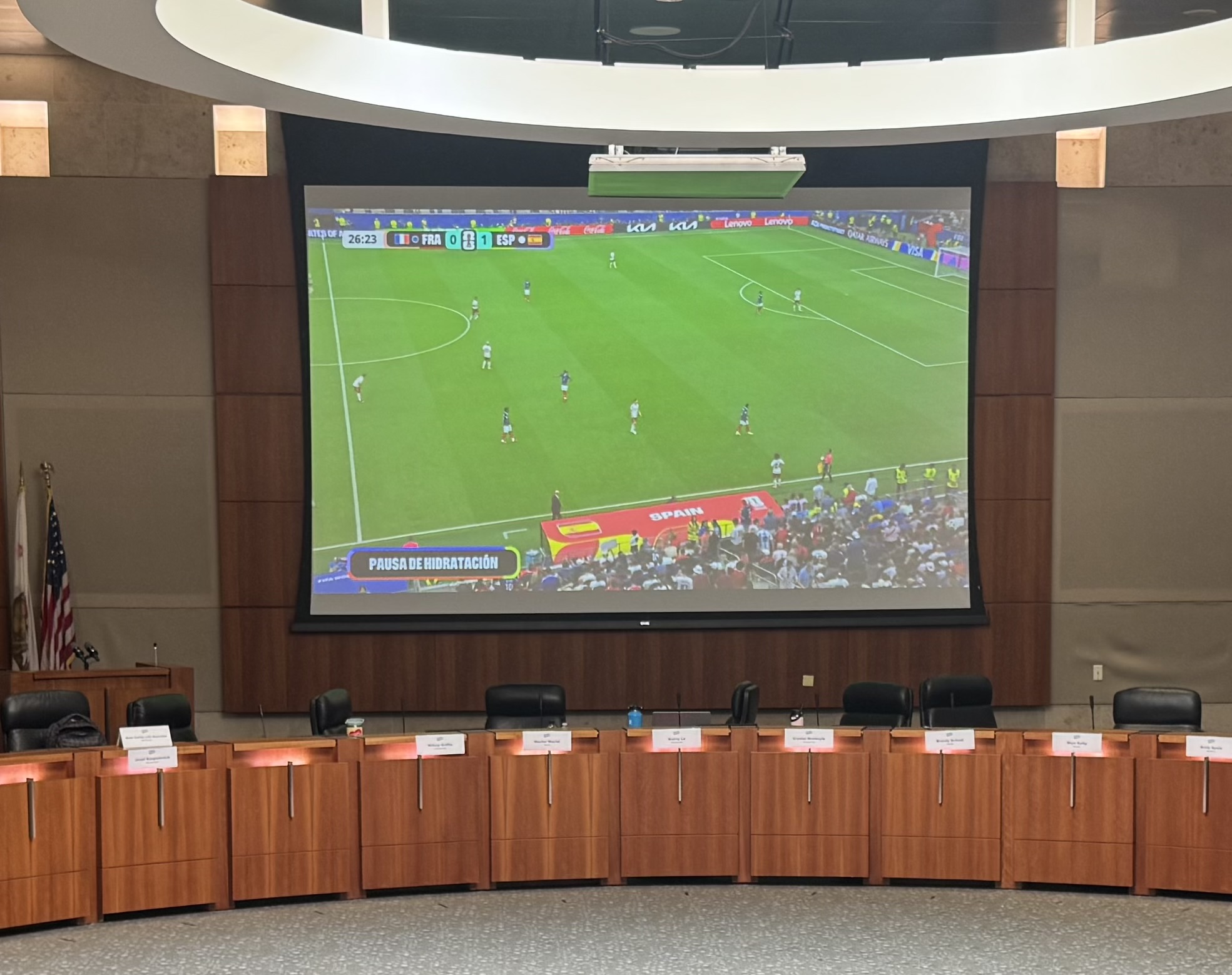
Participants also shared meals and informal time together, strengthening relationships among leaders from different campuses. These statewide connections will help our campus teams coordinate actions, share organizing lessons, and support one another as the campaign moves forward. One key moment that members identified as especially meaningful was watching part of the France vs Spain semi-final match of the World Cup during our lunch break.
Next Steps
The session concluded with a discussion of the organizing work planned for July and August.
Immediate next steps include:
-
Participating in statewide phone banks on July 17 and July 24
-
Continuing strike assessments and one-on-one organizing conversations
-
Expanding campus Contract Action Teams
-
Preparing practice pickets and other campus actions
-
Mobilizing around bargaining on August 11 at Cal State East Bay
-
Mobilizing around bargaining on August 20 at the Chancellor’s Office
Strike School Session 2 helped equip our campus leaders with the tools needed to organize our members, assess workplace readiness, and lead escalating actions across the CSU.
The work now returns to our campuses. By recruiting more leaders, having thousands of organizing conversations, and bringing our members into action, we are building the power necessary to win a strong contract.